Disabled Travel in Berlin, Wide Pavements, Good Transit and Hidden Cobbles
Berlin's wide pavements and modern U-Bahn promise easy wheelchair access, but surviving cobblestones in older districts and gaps in the S-Bahn network still catch visitors.
- Flag
-

- ISO code
- DE
- Population
- 3,426,354
- Currency
- EUR
- Timezone
- Europe/Berlin
The Wrong Assumption About Berlin Accessibility
You land in Berlin and think the hard part is over. The pavements on Unter den Linden are wide enough for two wheelchairs side by side. The U-Bahn map shows blue wheelchair icons at dozens of stops. The buses all kneel. All of that is true. But these features do not add up to a fully accessible city. They add up to a contradiction: the public infrastructure is unusually generous in some places and oddly punishing in others, and the difference depends entirely on which side of the old border you are standing on.
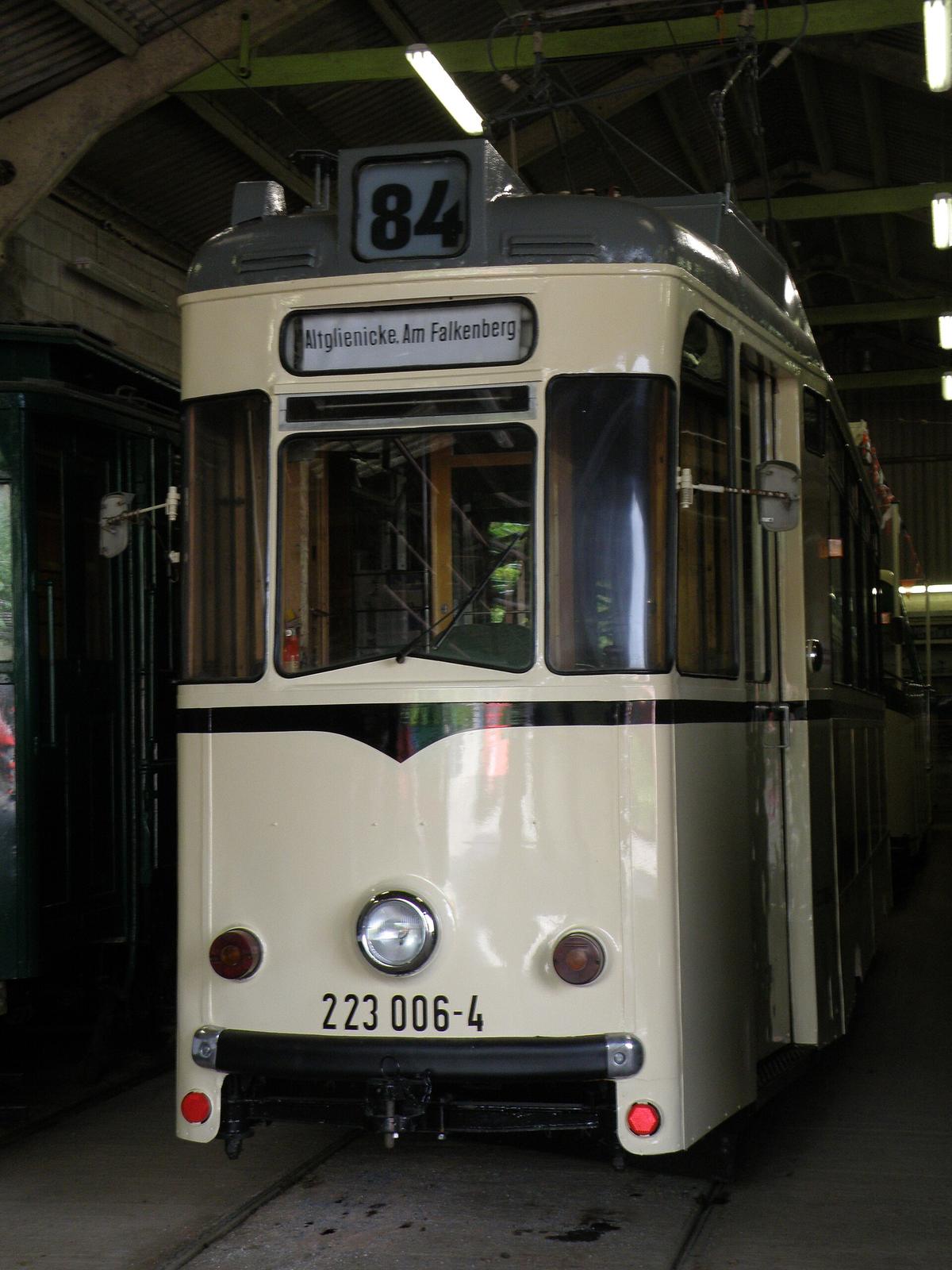
Berlin's wide streets and step-free transit reflect a deliberate post-unification investment. The city rebuilt enormous sections of its infrastructure with accessibility in mind. The BVG reports that 83 of its 175 U-Bahn stops had step-free access as of 2024, which is 47.4 percent. The S-Bahn network does better: 131 of 168 stops, or 78 percent, according to S-Bahn Berlin GmbH in 2024. The tram and bus fleets are both 100 percent low-floor as of 2024. Those are real numbers. They describe a system that has made serious progress. But they also describe a network where more than half of U-Bahn stops still require stairs, and where the gap between a low-floor tram and a platform that is not raised to match it can stop you boarding.
The real test is not whether Berlin can claim high percentages. It is whether you can get from a step-free train stop to your hotel, to a museum, to a restaurant, without hitting a cobbled street, a missing lift, or a curb with no ramp. That test the city passes in some districts and fails in others.

Prenzlauer Berg Versus Mitte: the Surface Under Your Wheels
Prenzlauer Berg: Book Here For Smooth Pavements
Prenzlauer Berg is Berlin's most barrier-free district. The reputation is earned. The pavements are wide, flat, and consistently maintained. The old tenement courtyards have been paved smooth. The U-Bahn stops at Senefelderplatz, Eberswalder Strasse and Schönhauser Allee all have step-free access. The tram line M1 runs low-floor vehicles along the main axis. Book accommodation here and you can navigate the neighbourhood without daily frustration.
Mitte: Watch The Cobblestones
Mitte is a different story. The district contains Berlin's most accessible cultural institutions and some of its most punishing surfaces. Cobblestone streets concentrate in Spandauer Vorstadt, around Hackescher Markt, in the Nikolaiviertel, and at Gendarmenmarkt. The gaps between stones reach 3 centimetres. That is enough to catch a front caster, tip a manual chair, or rattle a power-chair user to the point of pain. The Museum Island complex sits at the centre of this contradiction. The outdoor surfaces around the Kolonnadenhof are smooth flagstone. The paths connecting the five museums mix smooth paving with cobbled sections that require careful route planning.
Museum Island: What To Expect At Each Entrance
The five museums themselves are all step-free. The Altes Museum uses a ramp entrance on the Lustgarten side. The Neues Museum uses a service entrance on Bodestraße. The Bode Museum enters from the Monbijoubrücke side with a lift to all floors, though some doorways measure under 80 centimetres wide. The Pergamonmuseum is closed for major renovation as of August 2026, with a partial reopening expected in 2027. Visit the four that are open, but do not assume the route between them is smooth. Check the surface before you go.
Memorials: Paved, Partial, And Problematic
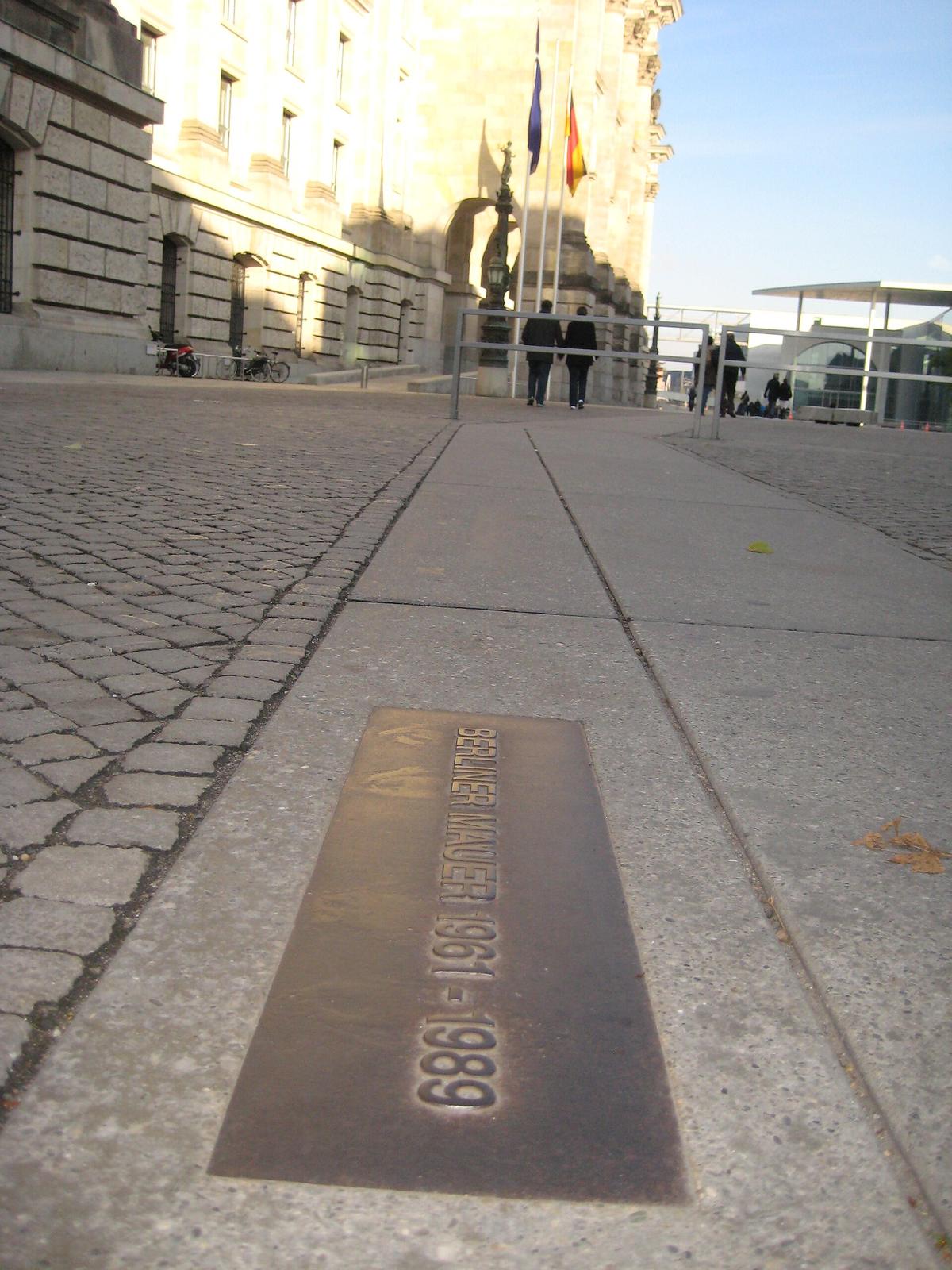
The Memorial to the Murdered Jews of Europe handles this contrast well. The Field of Stelae has paved paths that pass between the concrete blocks. The underground Information Centre has a step-free entrance and a lift. The Topography of Terror is fully step-free with a tactile guidance system and induction loops. The Berlin Wall Memorial is more complicated. Its Visitor Centre and Documentation Centre are step-free, but the outdoor memorial grounds sit partly on uneven grass and gravel. A wheelchair user will struggle to cross them alone.
Transit That Works Until it Does Not
Before You Leave The Hotel
Berlin's public transport works for a wheelchair user who plans ahead and carries the right tools. The most important tool is the BVG FahrInfo Plus app. It shows real-time lift status and sends push notifications for the stops you select. The BVG website has a barrier-free page listing current lift disruptions. Check both before you leave your hotel each morning. A lift outage turns a step-free route into a dead end. When that happens, call the BVG barrier-free travel hotline on +49 30 19449, daily from 06:00 to 22:00. They plan an alternative route and arrange boarding assistance at stops without step-free access. Book assistance at least one hour before travel. For the S-Bahn, call the DB mobility service centre on +49 30 65212888 daily from 06:00 to 22:00, and pre-book at least 24 hours ahead. The S-Bahn has its own barrier-free hotline on +49 30 297 57555, Monday to Friday 08:00 to 16:00.
Buses, Trams, And The Platform Gap
All BVG buses are low-floor as of 2024. The driver deploys a manual ramp on request. Board through any door. The tram fleet is also 100 percent low-floor, but not every stop has a raised platform that matches the vehicle floor height. You may need to step down on wheels to reach the street. That is a risk for a manual-chair user. The BVG network map showing step-free stops is a downloadable PDF updated quarterly, titled 'Barrierefrei unterwegs'. The S-Bahn publishes a similar PDF annually. Download the current version before your trip.
Taxis And The Sonderfahrdienst
Taxis are a reasonable backup. Berlin had approximately 250 wheelchair-accessible taxis citywide, a figure from 2026 that may have changed. Book Taxi Berlin through their app with the 'Rollstuhl' vehicle option or by phone on +49 30 202020. Würfelfunk on +49 30 210101 also provides accessible vehicles on request. The BerlKönig ride-pooling service operated by BVG uses barrier-free vehicles and books through the BVG FahrInfo app, but it is limited to an eastern inner-city zone. If you are a resident with a disability degree of at least 80, or 70 with the mobility-related mark 'G', apply for the Sonderfahrdienst des Landes Berlin. This special transport service operates 24/7. Pre-booking is required; call +49 30 346499 40.

Disability Rights Culture and What it Means for You
The Companion Rule Is A Legal Right
Berlin's approach to accessibility is shaped by a strong disability-rights culture that puts real obligations on public institutions. The companion rule is a direct example. If your disability ID carries the mark 'B', you take one companion free on all BVG and S-Bahn services. That is not a discount scheme. It is a legal right. You do not ask permission. You board.
Three Questions To Ask Every Venue
The same culture means venues expect your questions. When you phone a museum or a restaurant, ask three things. First: 'Ist der Eingang stufenlos erreichbar und gibt es einen Aufzug zu allen Etagen?' Second: 'Gibt es eine Induktionsschleife oder ein anderes Hörsystem, und in welchen Räumen ist es verfügbar?' Third: 'Gibt es eine rollstuhlgerechte Toilette, und ist sie mit Euroschlüssel zugänglich?' That last question matters. Many accessible WCs across Germany use the Euroschlüssel system. Obtain the key from CBF Darmstadt at www.cbf-da.de with proof of disability. The Wheelmap app shows crowd-sourced accessibility ratings for venues and WCs across the city. Use it to check a restaurant before you roll there.
Your Disability ID And The Terrain
Berlin's disability ID marks are standardised across Germany. The ones relevant to transport are 'G' for mobility impaired, 'aG' for exceptional mobility impairment, 'B' for companion required, 'H' for helpless, 'Bl' for blind, and 'Gl' for deaf. If you hold a foreign disability card, carry it and a translation. German officials accept them but may not recognise all marks. The city itself is predominantly flat. Berlin sits in a glacial valley with an average elevation of 34 metres above sea level. Most central districts have gentle gradients under 5 percent. You are not navigating hills.
The catch is the one you cannot plan for: a lift outage on the wrong line, a cobbled street you cannot cross, a restaurant whose step-free entrance is round the back through a gravel alley. Berlin's infrastructure is not hostile. It is inconsistent. The wide pavements and modern transit give you a real foundation. The older streets and the pre-unification districts will force you to detour. Treat the city's advertised accessibility as a starting point. Build your daily plan around the specific stops, streets, and museum entrances you know are clear.
Read next
-
 Accessible Hotels in Berlin Postwar Stock and What That Buys You
How Berlin's postwar and GDR-era building stock creates surprisingly spacious accessible hotel rooms compared to the tighter modern design hotels.
Accessible Hotels in Berlin Postwar Stock and What That Buys You
How Berlin's postwar and GDR-era building stock creates surprisingly spacious accessible hotel rooms compared to the tighter modern design hotels.
-
 Getting Around Berlin for Disabled Travellers Lifts Outages and the BVG App
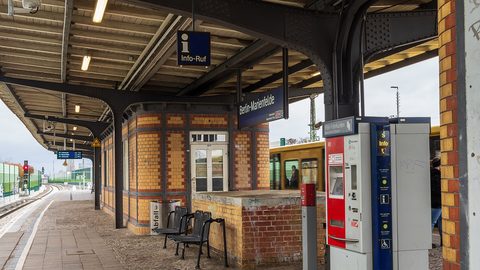
A practical guide to Berlin's accessible transport focusing on the BVG app for lift outages and the bus network that saves the day.
Getting Around Berlin for Disabled Travellers Lifts Outages and the BVG App
A practical guide to Berlin's accessible transport focusing on the BVG app for lift outages and the bus network that saves the day.
-
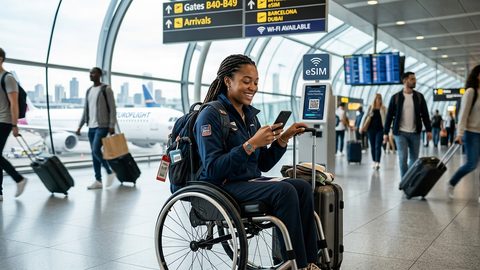 Mobile Data Planning for Wheelchair Users Traveling Abroad With eSIM
Plan mobile data for wheelchair travel abroad, with eSIM setup checks, lift outage updates, transport contacts, repair planning, and offline backups.
Mobile Data Planning for Wheelchair Users Traveling Abroad With eSIM
Plan mobile data for wheelchair travel abroad, with eSIM setup checks, lift outage updates, transport contacts, repair planning, and offline backups.