Disabled Travel in Tokyo, Where Rail Access Excels and Everything Else Is a Challenge
Tokyo's rail staff meet you with a ramp at the exact carriage door, but tiny hotel rooms and narrow restaurant staircases make everything beyond the station harder.
- Flag
-

- ISO code
- JP
- Population
- 13,960,000
- Currency
- JPY
- Timezone
- Asia/Tokyo
Disabled Travel in Tokyo, Where Rail Access Excels and Everything Else is a Challenge
Arriving by Train
Land at Narita or Haneda and your first test is the train into the city. The Narita Express, the Keisei Skyliner, and the airport limousine coaches all have boarding ramps. But the rail option is faster and cheaper. Book your seat online through the JR East website and specify a wheelchair space. When you arrive at the platform, find the station attendant. Staff carry a portable ramp to the carriage door, place it for you, and then radio ahead to your destination station. Another attendant meets you with the same procedure at the other end. This is standard procedure for JR East and Tokyo Metro. It works.
What the Paralympics Changed
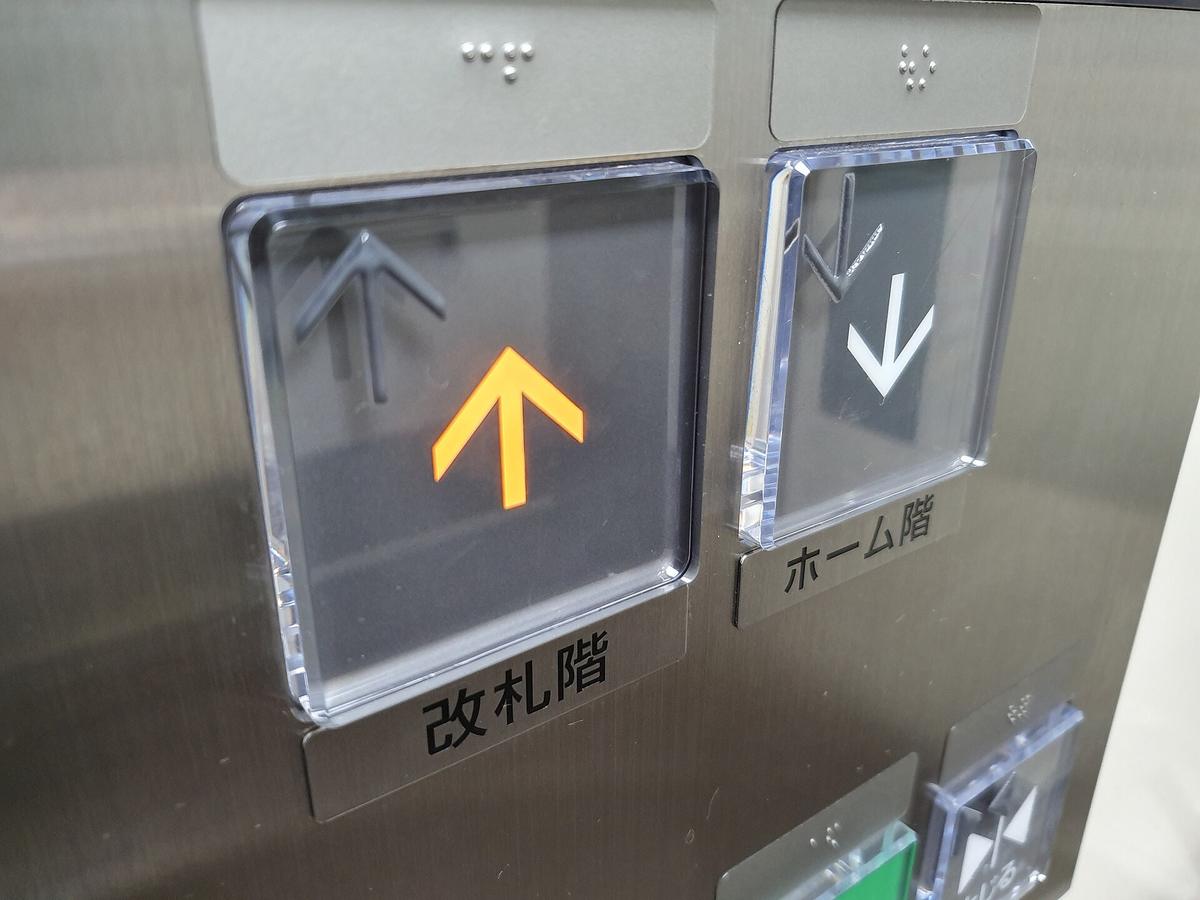
The 2020 Tokyo Paralympics forced upgrades that are permanent: wider ticket gates, lower ticket machines, and a requirement that all new stations include step-free access from street to platform. The lift coverage at stations is high, though the route from street to platform is long. You may transfer through three lifts to cross from the Ginza Line to the JR Yamanote Line at Shibuya. But each lift works. Each has tactile buttons and braille. The system assumes you will arrive and it is ready for you.

The Sidewalk Problem and the Street Level You Actually Navigate
Leave Shinjuku Station through the east exit and you are on a street with no pavement. Cars, scooters, and pedestrians share the asphalt. This is the main corridor in one of the world's busiest districts. In older districts such as Asakusa, Yanaka, and Kagurazaka, the street typology is narrow and lacks pavements entirely. Curb cuts exist but are not universal. Driveway lips can be five centimetres high. That stops a manual chair dead.
Plan Your Route
Stay on the main roads. Secondary streets drop the curb cut frequency sharply. Budget for longer routes. A three-minute walk on Google Maps becomes eight minutes when you are detouring to find a dropped kerb.
Toilets You Can Use
The accessible toilet situation is the one piece of good news here. Public toilets are excellent and everywhere. Every major station has a multi-purpose toilet with grab rails and an emergency call button. Department stores such as Takashimaya, Isetan, and Mitsukoshi have them on every floor. Use those. Do not rely on convenience store toilets; they are too narrow for a wheelchair to enter.
Hotels That Fit and Bathrooms That Work
Tokyo's hotel rooms are small. The accessible versions are slightly larger but still tight. A standard accessible room in a business hotel chain such as Apa or Toyoko Inn gives you about 20 square metres, not the 30 plus you would expect in a European or North American accessible room. The bathroom is the real problem. The bathroom is tiny. Many "accessible" rooms have a roll-in shower with no lip, but the toilet is positioned so close to the wall that a lateral transfer from a wheelchair is impossible. The sink may lack knee clearance.
Phone Before You Book
You must phone the hotel directly, not email, and ask these exact questions: what is the clear floor space beside the toilet in centimetres, is there a grab rail on the open side, what is the door width of the bathroom in centimetres, and is the shower a wet room or a step-over tub. Do this for every booking. Do not trust the hotel website. The booking sites do not verify accessibility claims. The verification method where data is unavailable is to phone the venue and ask these questions.
Why Dates Matter
The date your source is checked is important because lifts break and stations get refitted. A claim that a hotel had a lift in 2023 may not hold in 2026. The JR East and Tokyo Metro annual accessibility reports for 2025 and 2026 are the only current sources for lift coverage at stations. Verify with current station operator data.

Restaurants, Temples, and the Third Floor Problem
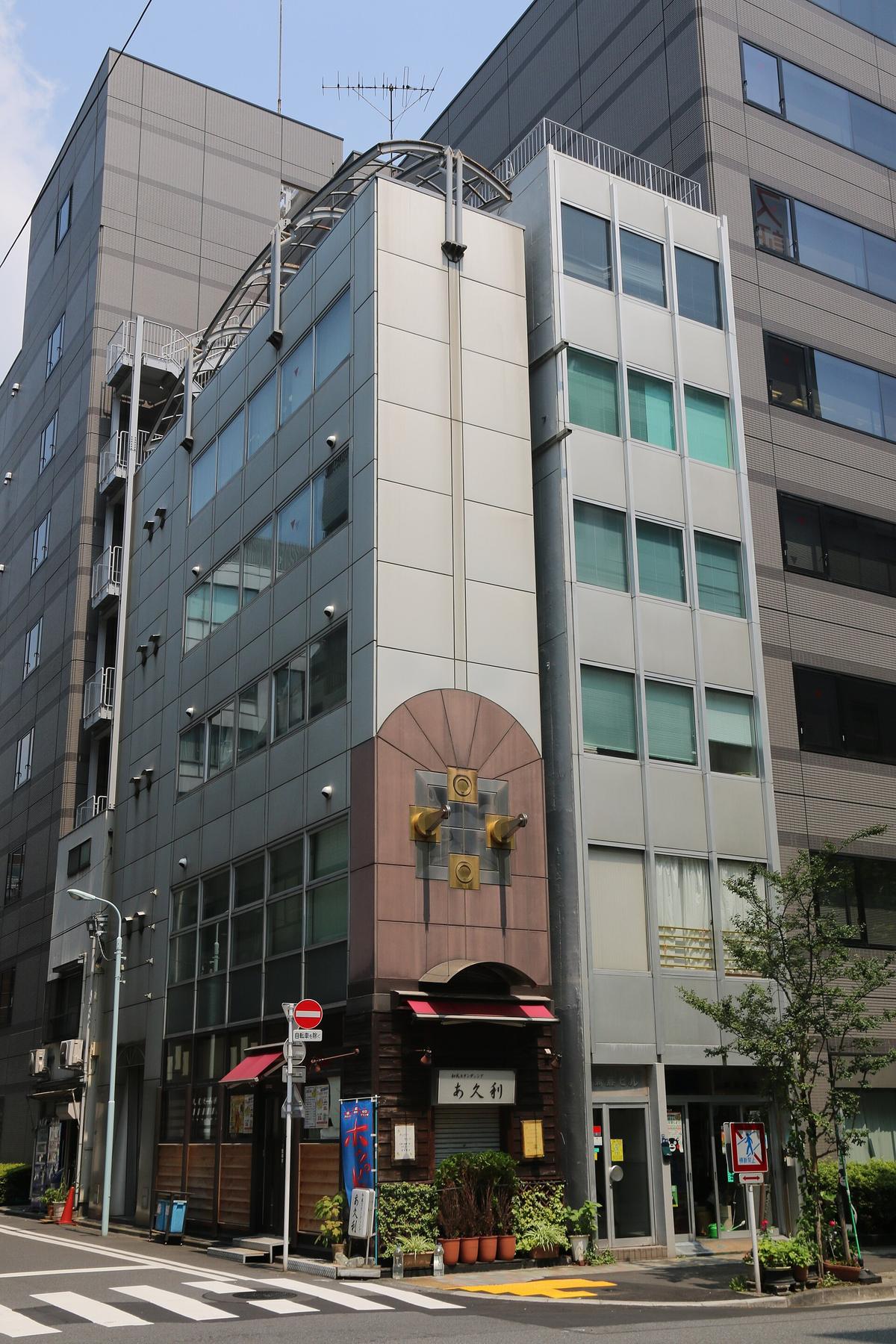
Tokyo has thousands of restaurants. Almost none are accessible. The barrier is not attitude. It is real estate. Restaurants are frequently located up stairs on the third floor of a narrow building with no lift. The ground floor is a shoe shop or a ramen counter with a single step. The third floor is the dining room. Step-free access does not imply hearing loop availability. A restaurant reachable by elevator may have no induction loop for a hearing aid.
Where to Eat
If you want a meal you can actually enter, follow a narrow set of options. Department store restaurants, the ones on the upper floors of Takashimaya or Isetan, have lifts and flat floors. Hotel restaurants are accessible by law. The restaurant floors in newer buildings such as Tokyo Midtown, Roppongi Hills, and Toranomon Hills have wide corridors and automatic doors. Go there. Skip the tiny soba shop in a side street, however famous it is.
Temples and Shrines
Temples and shrines present a different challenge. Older temple complexes such as Senso-ji in Asakusa have gravel paths that stop a wheelchair. The main hall of Senso-ji is reachable only by a concrete ramp on the left side, but the approach path is gravel. Meiji Jingu has a wide paved path, but the main building is up a staircase. The inner garden has a ramp.
Modern Sites That Work
Focus on modern cultural sites instead. The teamLab Borderless exhibitions in Azabudai Hills and the teamLab Planets building in Toyosu are fully accessible: flat floors, wide doorways, and lifts. The Mori Art Museum on the 53rd floor of Roppongi Hills has a ramp to every gallery. The Edo-Tokyo Museum has a wheelchair lift to the permanent exhibition floor. These places were built or retrofitted after the Paralympic accessibility improvements. Prioritise them.
Common Questions
Is Tokyo's rail network really step-free for a wheelchair user?
Yes, if you use the staff-assisted ramp system. Platform edge doors and tactile paving are standard. The portable ramp at the carriage door works in practice. Radio ahead procedures mean staff meet you at the destination. The lift coverage at stations is high, but the route is often long.
Do Japanese hotel accessibility claims on booking sites match reality?
Often no. Room dimensions and bathroom layouts are frequently inaccurate. The accessible bathroom is tiny. Phone the hotel directly. Ask about clear floor space beside the toilet in centimetres, door width, and whether the shower is a wet room. Trust only what you verify on a call, not what a site displays.
Can I visit Senso-ji or Meiji Jingu in a wheelchair?
Partially. Senso-ji has a concrete ramp to the main hall, but the approach is gravel. Meiji Jingu has a paved main path and a ramp to the inner garden, but the main building requires stairs. Both are challenging. Prioritise modern cultural sites with full step-free access.
How do I verify if a station lift is still working in 2026?
Station lifts and refits change year to year. An undated figure can strand you on a platform. Check the most recent JR East or Tokyo Metro accessibility report for the 2025 or 2026 data. Phone the specific station if you need real-time confirmation.
Read next
-
 Accessible Hotels in Tokyo Where the Room Is Big Enough to Turn
Which Tokyo hotels provide enough clear floor space for a wheelchair turn, plus a genuine roll-in shower, not just a compact universal room.
Accessible Hotels in Tokyo Where the Room Is Big Enough to Turn
Which Tokyo hotels provide enough clear floor space for a wheelchair turn, plus a genuine roll-in shower, not just a compact universal room.
-
 Getting Around Tokyo in a Wheelchair When the Ramps Actually Work
How Tokyo's station attendant ramp service works in practice, from requesting assistance to navigating the busiest interchange stations.
Getting Around Tokyo in a Wheelchair When the Ramps Actually Work
How Tokyo's station attendant ramp service works in practice, from requesting assistance to navigating the busiest interchange stations.
-
 Mobile Data Planning for Wheelchair Users Traveling Abroad With eSIM
Plan mobile data for wheelchair travel abroad, with eSIM setup checks, lift outage updates, transport contacts, repair planning, and offline backups.
Mobile Data Planning for Wheelchair Users Traveling Abroad With eSIM
Plan mobile data for wheelchair travel abroad, with eSIM setup checks, lift outage updates, transport contacts, repair planning, and offline backups.