Disabled Travel in London, the Most Step-Free Big City in Europe
London claims to be Europe's most step-free big city, and the black cabs and buses deliver, but the Tube's deep-level platform gaps remain its famous exception.
- Flag
-

- ISO code
- GB
- Population
- 8,961,989
- Currency
- GBP
- Timezone
- Europe/London
Step-Free London: A City of Real Gains and Real Gaps
Forget the old assumption that a wheelchair in London means spending half your trip stuck underground because a lift is out. That picture is outdated. Transport for London has spent two decades and multiple billions of pounds engineering the city into the most step-free big-city metro in Europe by station count. The 2024 figure is 92 step-free Underground stations out of 272. No other European capital comes close. That is the genuine achievement.
The trick is knowing where the achievement stops. London also operates the oldest deep-level Tube lines in the world, and no amount of lift installation can fix the fact that at a station like Covent Garden the train floor sits several inches below the platform edge. A step-free map masks a platform-to-train gap that requires a staff-operated ramp every single time, and the staff do not always arrive. An honest overview of wheelchair travel in London means knowing what works, what fails, and which famous attraction on the South Bank you should book without hesitation.
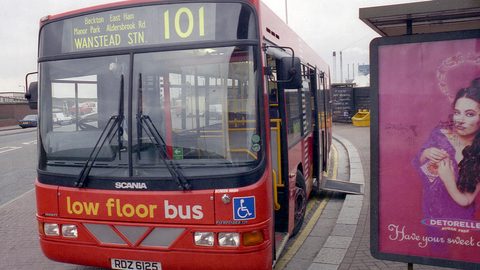
,_Showbus_2008.jpg)
The Ground Transport That Actually Works
Your primary ground transport in London should be the bus, the Elizabeth line, the Docklands Light Railway, a black cab or the tram. The Tube is the last option. That reverses the advice most visitors hear.
Buses: Every Vehicle, One Priority Space
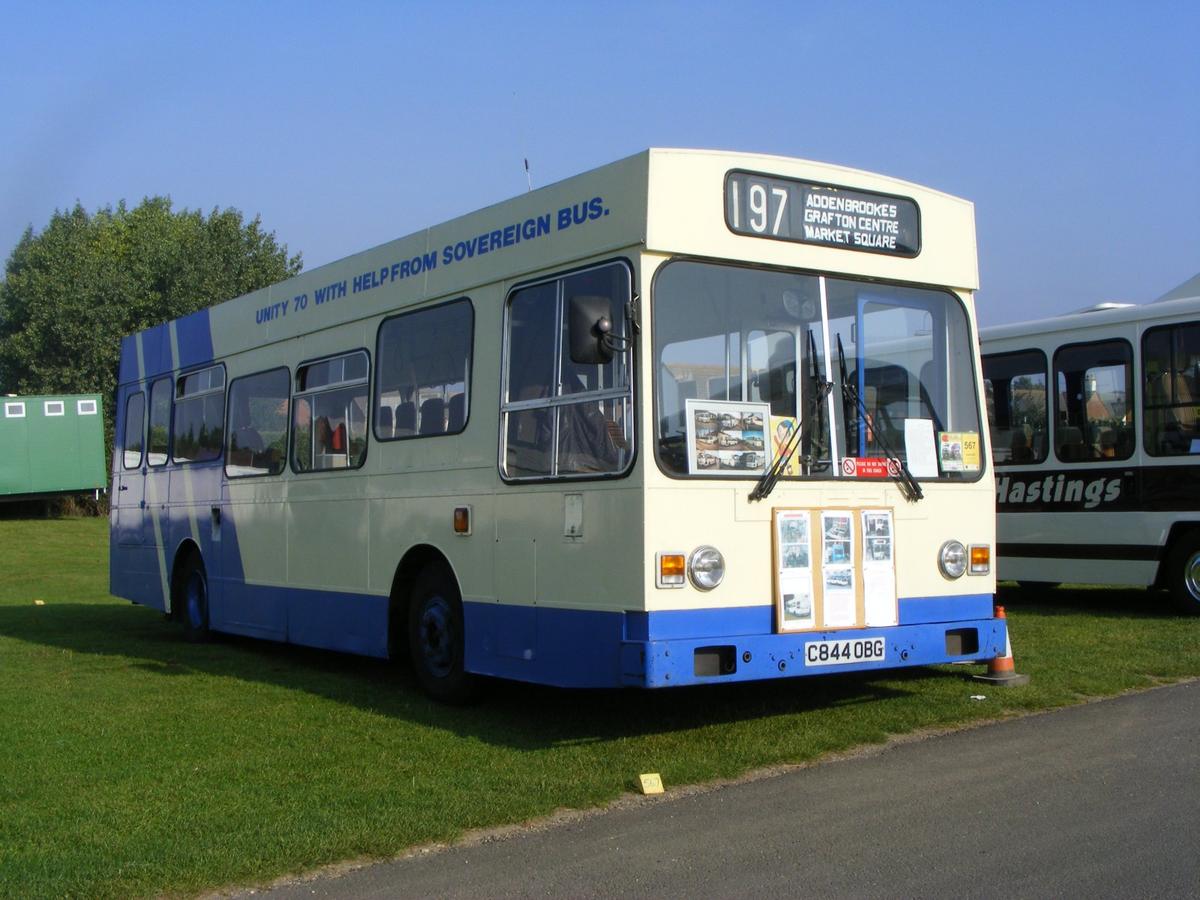
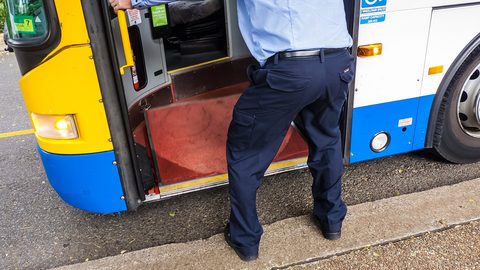
Every single London bus is wheelchair accessible. The driver operates a manual pull-out ramp at the centre doors. The rule is clear: wheelchair users have priority over buggies in the single designated wheelchair space. Some newer buses now carry two spaces. Do not count on it. Board through the centre doors, signal to the driver, and the ramp comes out. No booking required. Mobility scooter users are welcome but need a TfL Mobility Aid Recognition Scheme permit for scooters larger than 1200 mm long by 700 mm wide with a 1500 mm turning radius. Apply via the TfL website; processing takes roughly six weeks, so start that before your trip.
Black Cabs: The Whole Fleet Works
Every one of London's approximately 14,000 licensed black cabs is wheelchair accessible by law. You stay in your chair during the journey. The driver deploys a rear ramp. All cabs also carry an induction loop. Guide dogs travel free. Book through Gett, Free Now, or TaxiApp and request a wheelchair-accessible vehicle. The cab will arrive with the ramp already ready. No extra charge. This is the most reliable point-to-point transport in the city. It beats any ride-hail service that sends a non-accessible car.
Elizabeth Line, DLR, Overground and Trams
The Elizabeth line opened full service in May 2022. All 41 stations have step-free street-to-train access. Central section stops from Paddington to Abbey Wood offer level boarding, meaning no ramp needed at all. Outer stations have a small gap but staff assist. Ride it.
The DLR has 45 stations, all step-free, all level boarding. No ramp required. The Overground has 113 stations; all but a small number are step-free. Check the TfL Step-Free Tube Guide before you go. The trams have 39 stops, all step-free, every tram carries two designated wheelchair spaces, level boarding. These systems together give you a connected network across east, south and central London.
Where the Tube Fails and What You Need to Know
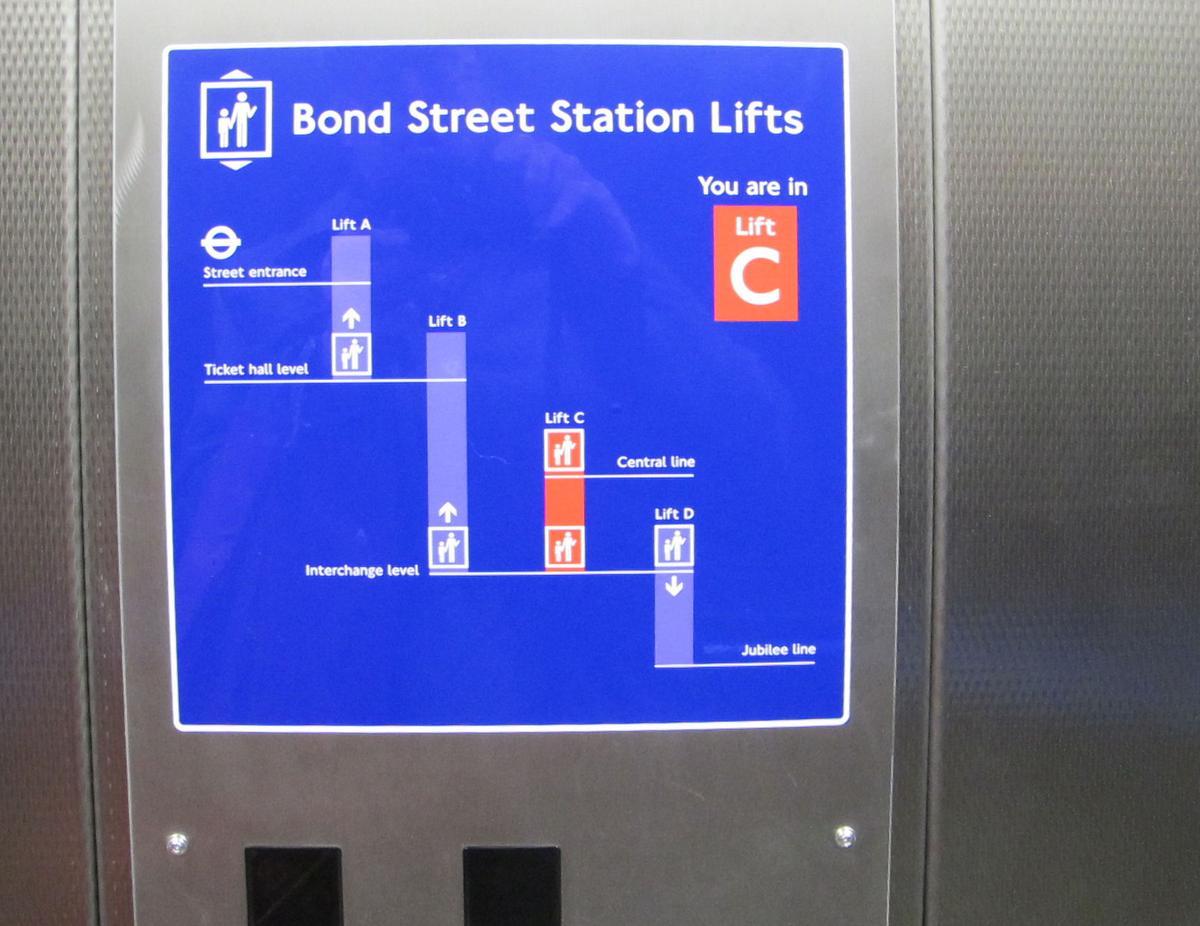
The Tube has 92 step-free stations. That is a real number. But step-free in London does not mean gap-free. At every step-free station on the deep-level lines the train and platform are not level. The floor of a Piccadilly line train sits lower than the platform edge. A member of staff must bring a portable ramp, place it across the gap, and you roll over it. The service is turn-up-and-go, meaning you do not need to pre-book. At busier stations it works reliably. At quieter stations, especially on branches, staff may be elsewhere. You wait. Sometimes it is five minutes. Sometimes it is twenty. The TfL Travel Support Card, free and available through the TfL website, lets you show staff your needs quickly. It does not make them appear faster.
Skip the deep-level lines for long journeys. Take the bus or the Elizabeth line instead. Use the Tube only for short hops between step-free stops where you know the ramp service is manned. The TfL Step-Free Tube Guide, updated as stations change status and current as of May 2024, is the document you need on your phone. The TfL 24-hour travel information line is 0343 222 1234. Call it before you set out if you are unsure about a specific station.
One more caveat: the hearing loop system is separate from the step-free system. Induction loops exist at all ticket offices and some help points, but not on the trains themselves. If you rely on hearing loops, phone ahead and ask which stations have working loops at the help point on your platform.
Attractions: What to Book and What to Skip
London's major attractions fall into three categories: fully accessible, partially accessible with a known limitation, and technically accessible but physically punishing. Know which is which before you buy a ticket.
Fully Accessible, Book Confidently
The London Eye has wheelchair-accessible capsules, maximum two wheelchairs per capsule. Every part of the experience is level. Book a standard ticket and arrive at the allocated time. The Natural History Museum is fully step-free through the Exhibition Road entrance with lifts to all floors. The Tate Modern is fully accessible by lift to all galleries. The British Museum has level access through the Montague Place entrance, lifts to every floor, accessible toilets on every floor, and induction loops in lecture theatres and at information desks. These four attractions will not surprise you.
Partially Accessible, Plan The Route
St Paul's Cathedral has a step-free entrance via the south churchyard and a lift to the crypt and ground floor. The dome galleries, including the Whispering Gallery, Stone Gallery, and Golden Gallery, are not accessible. That is 528 steps. If climbing is not possible, skip the upper levels and focus on the crypt and nave. Westminster Abbey offers step-free access through the North Door and most of the ground floor is accessible. The Lady Chapel has three steps. The Shrine of Edward the Confessor has steps. You will see most of the Abbey, but not all of it.
The Tower of London has a step-free route covering roughly 60% of the site. The remaining 40%, including the upper floors of the White Tower and the battlements, is inaccessible. The surfaces are cobbled. A manual wheelchair user will feel every metre. If you have a power chair you will manage the accessible route, but budget extra time and enter through the main gate, not the side.
Shakespeare's Globe gives you step-free access to the ground floor yard and the piazza. The upper and middle galleries are not accessible. You will watch the play from ground level. For a theatre experience with accessible seating, most West End theatres operate an access scheme offering discounted and companion tickets. There is no centralised registration. You register directly with each theatre. The proof required varies. One theatre may ask for a PIP letter, another for an Access Card. When you phone a theatre ask three questions: do you have an access scheme, what proof do you require, and what accessible seating is available for the specific show you want. For performances with audio description, captioning, or BSL interpretation, check the Official London Theatre access calendar. But note: many historic West End theatres have steps at the entrance and no lift. Phone and ask 'Is there step-free access from the street to the auditorium, and if so, which entrance should I use?' before you book.
Toilets: The RADAR Key And Changing Places
Many public accessible toilets in London are locked with a RADAR lock. Buy a RADAR key from Disability Rights UK for about five pounds before you travel. It opens hundreds of toilets across the city. For a full adult changing bench and hoist, London has approximately 80 Changing Places toilets. Find them on the changing-places.org map. Mark the ones near your hotel and your main attractions before you set out each morning.
Hotels: Where To Stay For Zero Steps
Prioritise areas with modern development. The South Bank, Canary Wharf, Stratford, and the King's Cross redevelopment area all have level pavements, step-free transport hubs, and hotels built to modern accessibility standards. When you phone a hotel ask one question: 'Is there a step-free route from the nearest Underground or DLR station to your front door, and are there any steps between the pavement and the reception desk?' The answer tells you whether you can arrive without needing to call a cab from the station.

| Mode | Step-Free Stations/Vehicles | Boarding Type | Ramp Required | Booking Needed |
|---|---|---|---|---|
| London Buses | 100% of fleet | Manual pull-out ramp at centre doors | Yes, driver operated | No |
| Black Cabs | 100% of fleet (approx. 14,000 cabs) | Rear ramp | Yes, driver deployed | Request via app |
| Elizabeth Line | 41 stations (100%) | Level boarding in central section; slight gap at outer | No (central); staff ramp at outer | No |
| DLR | 45 stations (100%) | Level boarding at all stations | No | No |
| Overground | All step-free except a small number | Step-free stations have ramps | Varies by station | No |
| Trams | 39 stops (100%) | Level boarding, two wheelchair spaces per tram | No | No |
| Underground | 92 stations out of 272 | Staff-assisted portable ramp | Yes, always at step-free stations | No (turn-up-and-go) |
More on London
-
 London Museums and Attractions with Free Carer Entry and Step-Free Access
Which London museums and attractions offer free carer entry, what proof you need, and the pre-booking steps that catch out spontaneous visitors.
London Museums and Attractions with Free Carer Entry and Step-Free Access
Which London museums and attractions offer free carer entry, what proof you need, and the pre-booking steps that catch out spontaneous visitors.
-
 Which Cities Are Genuinely Accessible Ranked by What Actually Matters
A candid ranking of accessible cities worldwide based on transport, terrain, hotels and the real experience of getting around in a wheelchair.
Which Cities Are Genuinely Accessible Ranked by What Actually Matters
A candid ranking of accessible cities worldwide based on transport, terrain, hotels and the real experience of getting around in a wheelchair.
-
 What Accessible Actually Means and Why Step-Free Is Not the Same Thing
Step-free is a measurement, accessible is a promise, and wheelchair friendly is often just optimism. Here is how to tell them apart.
What Accessible Actually Means and Why Step-Free Is Not the Same Thing
Step-free is a measurement, accessible is a promise, and wheelchair friendly is often just optimism. Here is how to tell them apart.
-
 Flying to London with a Wheelchair Your Rights and the Process
How flying with a wheelchair to London actually works, from Heathrow assistance to your legal rights if the airline damages your mobility equipment.
Flying to London with a Wheelchair Your Rights and the Process
How flying with a wheelchair to London actually works, from Heathrow assistance to your legal rights if the airline damages your mobility equipment.
-
 Booking an Accessible Hotel Room in London Questions That Get Real Answers
The exact questions to ask London hotels about accessible rooms, from roll-in shower dimensions to evacuation plans, so you book a room that actually works.
Booking an Accessible Hotel Room in London Questions That Get Real Answers
The exact questions to ask London hotels about accessible rooms, from roll-in shower dimensions to evacuation plans, so you book a room that actually works.
-
 London Accessible Transport Trains Buses Taxis and the Tricky Bits Between
London accessible transport beyond the step-free Tube map: the platform gaps, bus bay conflicts, and kerb problems no journey planner mentions.
London Accessible Transport Trains Buses Taxis and the Tricky Bits Between
London accessible transport beyond the step-free Tube map: the platform gaps, bus bay conflicts, and kerb problems no journey planner mentions.
-
 London Travel Insurance with a Pre-Existing Condition What Gets Covered
What London travel insurance with a pre-existing condition actually covers, from emergency treatment at St Thomas' to wheelchair damage and trip cancellation.
London Travel Insurance with a Pre-Existing Condition What Gets Covered
What London travel insurance with a pre-existing condition actually covers, from emergency treatment at St Thomas' to wheelchair damage and trip cancellation.
-
 Mobility Equipment Spares Repairs and Charging for a London Trip
Where to get mobility equipment repaired in London as a visitor, plus charging points at attractions and voltage essentials for your power chair.
Mobility Equipment Spares Repairs and Charging for a London Trip
Where to get mobility equipment repaired in London as a visitor, plus charging points at attractions and voltage essentials for your power chair.
-
 London Cruises and Accessibility The Easy Holiday Option with Real Caveats
Accessible cruises from London sound ideal, but Tilbury's terminal, Thames tender ports, and Southampton transfers have caveats you need to know.
London Cruises and Accessibility The Easy Holiday Option with Real Caveats
Accessible cruises from London sound ideal, but Tilbury's terminal, Thames tender ports, and Southampton transfers have caveats you need to know.
-
 London with a Carer Companion or Travelling Solo as a Disabled Visitor
Visiting London with a carer, companion, or alone as a disabled traveller: carer ticket policies, RADAR key access, and solo Tube safety.
London with a Carer Companion or Travelling Solo as a Disabled Visitor
Visiting London with a carer, companion, or alone as a disabled traveller: carer ticket policies, RADAR key access, and solo Tube safety.
-
 Invisible Disabilities and Sensory Access in London for Visitors
How London's Sunflower lanyard programme works in practice, plus where to find quiet rooms, sensory maps, and relaxed performances across the city.
Invisible Disabilities and Sensory Access in London for Visitors
How London's Sunflower lanyard programme works in practice, plus where to find quiet rooms, sensory maps, and relaxed performances across the city.
Common Questions
Are all London buses wheelchair accessible?
Yes. 100% of London buses are wheelchair accessible. The driver operates a manual pull-out ramp at the centre doors. Each bus has one designated wheelchair space, with wheelchair users having priority over buggies. Some newer buses have two spaces.
How do I get a ramp on the Tube?
At any of the 92 step-free Underground stations, you use the turn-up-and-go system. You do not need to pre-book. A member of staff will bring a portable ramp to bridge the gap between the train and the platform. At busy central stations it works well. At quieter stations you may wait.
Can I bring a mobility scooter on London transport?
On buses you need a TfL Mobility Aid Recognition Scheme permit if your scooter is larger than 1200 mm long, 700 mm wide, or has a turning radius over 1500 mm. Apply through the TfL website; processing takes about six weeks. On the Underground, DLR, Elizabeth line, Overground, and trams, smaller scooters are generally allowed, but check the specific vehicle dimensions with TfL.
What is the RADAR key and do I need one?
The RADAR National Key Scheme locks many public accessible toilets in London. The key costs about five pounds from Disability Rights UK. Buy one before you travel. It is cheap and saves you being locked out of a toilet at a train station or shopping centre.
Which major attraction should I skip if I use a wheelchair?
Skip the upper galleries at Shakespeare's Globe and the dome galleries at St Paul's Cathedral, both fully inaccessible. At the Tower of London, the accessible route covers 60 percent of the site, but the cobbled surfaces make it a physically punishing visit for a manual wheelchair user. Skip it unless you have a power chair and patience.
Read next
-
 Accessible Hotels in London Chains Boroughs and the Questions to Ask
Which London hotels offer genuine wet rooms and turning space rather than just a grab bar, and the questions to ask before you book.
Accessible Hotels in London Chains Boroughs and the Questions to Ask
Which London hotels offer genuine wet rooms and turning space rather than just a grab bar, and the questions to ask before you book.
-
 Getting Around London for Disabled Travellers Buses Lifts and the Gaps
A practical look at accessible transport in London covering bus ramps, Tube lift gaps, and the reality of step-free stations for wheelchair users.
Getting Around London for Disabled Travellers Buses Lifts and the Gaps
A practical look at accessible transport in London covering bus ramps, Tube lift gaps, and the reality of step-free stations for wheelchair users.
-
London Museums and Attractions with Free Carer Entry and Step-Free Access
Which London museums and attractions offer free carer entry, what proof you need, and the pre-booking steps that catch out spontaneous visitors.
-
Which Cities Are Genuinely Accessible Ranked by What Actually Matters
A candid ranking of accessible cities worldwide based on transport, terrain, hotels and the real experience of getting around in a wheelchair.
-
What Accessible Actually Means and Why Step-Free Is Not the Same Thing
Step-free is a measurement, accessible is a promise, and wheelchair friendly is often just optimism. Here is how to tell them apart.
-
Flying to London with a Wheelchair Your Rights and the Process
How flying with a wheelchair to London actually works, from Heathrow assistance to your legal rights if the airline damages your mobility equipment.
-
Booking an Accessible Hotel Room in London Questions That Get Real Answers
The exact questions to ask London hotels about accessible rooms, from roll-in shower dimensions to evacuation plans, so you book a room that actually works.
-
London Accessible Transport Trains Buses Taxis and the Tricky Bits Between
London accessible transport beyond the step-free Tube map: the platform gaps, bus bay conflicts, and kerb problems no journey planner mentions.
-
 Mobile Data Planning for Wheelchair Users Traveling Abroad With eSIM
Plan mobile data for wheelchair travel abroad, with eSIM setup checks, lift outage updates, transport contacts, repair planning, and offline backups.
Mobile Data Planning for Wheelchair Users Traveling Abroad With eSIM
Plan mobile data for wheelchair travel abroad, with eSIM setup checks, lift outage updates, transport contacts, repair planning, and offline backups.