How to Verify an Accessible Hotel Room Before You Pay
A practical guide to How to Verify an Accessible Hotel Room Before You Pay.
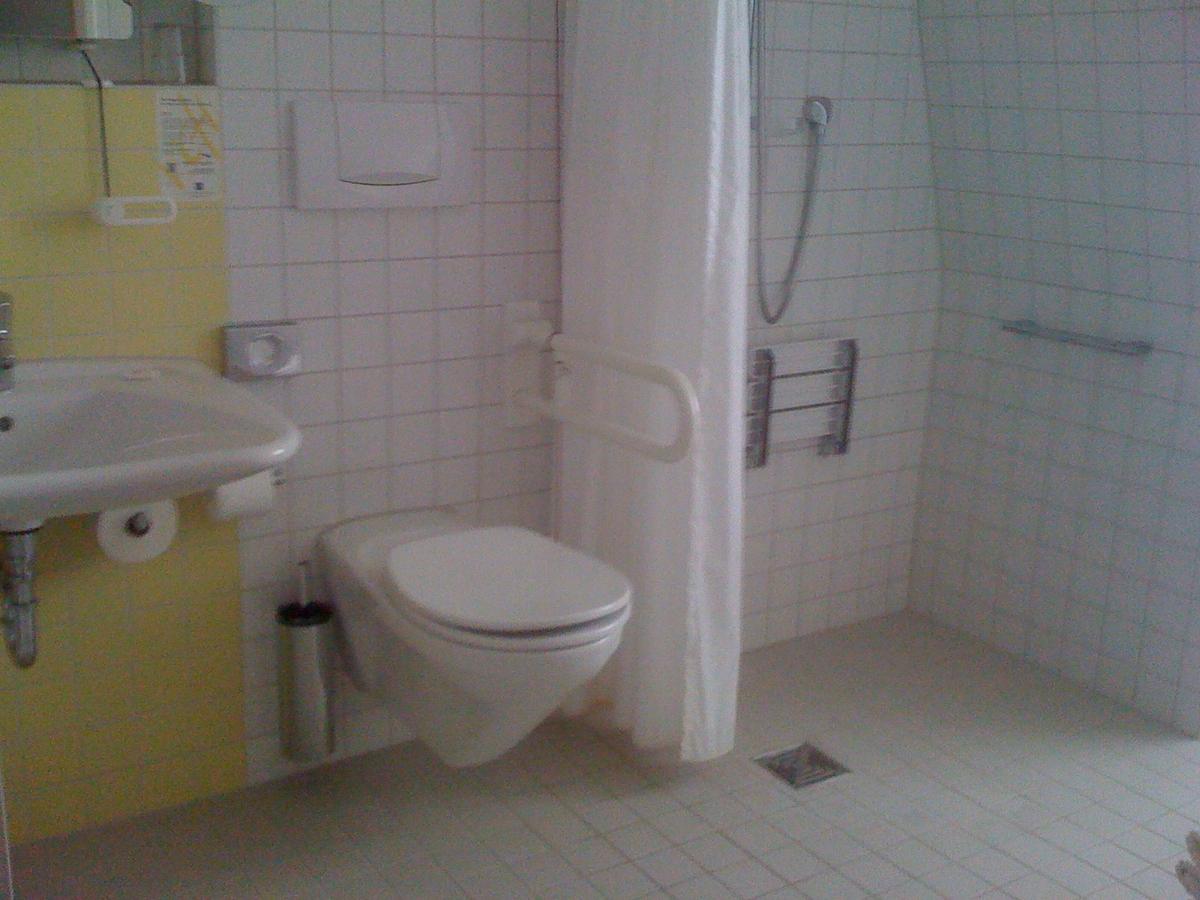

Why a phone call beats a photo gallery every time
Hotel websites show accessible rooms that look spacious and well equipped, but those images are often stock photography or a single model room shot years ago. A picture cannot tell you whether the bathroom turning space is still clear or whether a housekeeping cart now lives in the roll-in shower. Under U.S. federal rules, the property must describe accessible features in enough detail for you to independently assess whether the room meets your needs. That obligation falls on the hotel, not on you to decode five blurry thumbnails.
The most reliable verification step is a direct conversation with someone who can walk into the specific room you would occupy. Ask that person to measure or confirm each dimension that matters to you while you are on the phone. If they cannot or will not, treat the room as unverified.
Lock down the exact room before you hand over payment
Booking an accessible room type is not the same as reserving a specific accessible room. A settlement agreement between the U.S. Department of Justice and a major hotel operator draws a sharp line: choosing a dedicated accessible-room code during booking creates a guaranteed reservation, while adding an accessibility preference to a standard-room booking is merely a request subject to availability. The distinction matters because a preference does not bind the hotel to hold any particular room for you.
Federal regulations strengthen your position further. Once you reserve an accessible room, the hotel must block that specific room and remove it from all reservation systems so it cannot be double-booked. The property must also hold that room for you even if it does not guarantee specific room numbers for other guests. These requirements have been in effect for reservations made on or after March 15, 2012. The only notable exception applies to individually owned units that the lodging operator does not substantially control, such as some vacation rental condominiums booked through a hotel-branded platform.
After booking, request written confirmation that references your reservation number and states the room number or a unique room identifier the property commits to hold. If the hotel pushes back, cite the blocking and guarantee obligations plainly. A property that cannot name the room it is holding for you may not actually be holding one.
The doorway test you can ask about from anywhere
One measurement cuts through a surprising amount of uncertainty: clear passage width at the guest room door. The ADA standard requires at least 32 inches of clear width, and this applies to every door inside the room as well, including the bathroom door, even in rooms not designated as accessible. If a front-desk agent can confirm that the bathroom door provides a full 32 inches of unobstructed passage, you have learned something useful about the room's fundamental layout. If they hesitate or describe a narrower opening, the room likely falls short of the standard regardless of what the booking engine called it.
Bathroom dimensions that separate compliant from cosmetic
A genuinely accessible bathroom is defined by clear floor space, not by the presence of a grab bar screwed into drywall. The federal standard requires either a 60-inch diameter turning circle or a T-shaped turn area so a wheelchair user can enter, rotate, and position at the toilet and shower. Ask the hotel to confirm which turning configuration the room provides and whether any furniture, wastebaskets, or movable fixtures currently occupy that space.
Toilet height and grab bar placement are equally specific. The top of the toilet seat must sit between 17 and 19 inches above the finished floor. The side-wall grab bar must be at least 42 inches long, the rear-wall bar at least 36 inches long, and both must be mounted 33 to 36 inches above the floor. If the hotel quotes numbers outside those ranges, the installation does not meet the federal standard.
For roll-in showers, the requirements depend on whether a seat is provided. When no seat is installed, grab bars are required on three walls. If a folding seat is present, it must be attached to the wall and extend to within three inches of the shower entry. Ask whether the shower in your specific room has a seat, and if so, whether it is fixed or folding and how far it extends from the wall. A fixed bench that blocks the roll-in path defeats the purpose of the design.
Communication features you cannot see in a photo
Guest rooms designated with communication features must include visual notification devices for incoming phone calls and a door knock or bell, plus a permanently installed visible fire alarm connected to the building emergency system. A strobe light plugged into a wall outlet is not a substitute for a hardwired alarm. When you call to verify the room, ask whether the visual fire alarm is a permanent fixture tied to the central system. If the answer is vague or describes a portable device, the room may lack the required feature.
Bed height and the question no federal rule answers
No federal ADA standard sets a required bed height measured from the floor to the top of the mattress. The Department of Justice withdrew its advance notice of proposed rulemaking on accessible beds in 2017, leaving the matter unregulated at the national level. This means two accessible rooms in the same hotel can have meaningfully different bed heights depending on mattress thickness, frame style, or recent renovations.
The only way to know is to ask the property to measure the bed in the specific room you would occupy and report the number. Request the measurement from the floor to the top of the mattress, not to the top of the bed frame. If the hotel cannot provide that figure before you pay, decide whether the uncertainty is acceptable for your trip. Some travelers treat an unverified bed height as a dealbreaker; others pack a transfer board or portable lift and proceed. Neither choice is wrong, but both are clearer when you know the number is absent rather than assuming it meets your needs.
What to do when the hotel will not verify
A property that cannot or will not answer specific measurement questions before you pay is sending a signal. You have several practical options, none of which require trusting the booking description. Book a different property that provides written confirmation of the dimensions you need. Reserve through a chain with a centralized accessibility desk that can access room-level detail. If you must stay at a particular hotel, book a standard room and bring portable equipment that reduces your dependence on fixed features, though this shifts cost and effort onto you.
Under the federal reservation rule, accessible guest rooms must be held for people with disabilities until all other rooms of that type have been rented and the accessible room is the only one remaining. This means an accessible room should be available to you even when the hotel appears full online, provided you are reserving that specific room type. If a booking engine shows no accessible rooms, call the property directly and ask whether one is being held under this provision. The answer may reveal whether the hotel understands its obligations.
Sources and verification
- ecfr.gov — Research source checked for this guide
- archive.ada.gov — Research source checked for this guide
- access-board.gov — Research source checked for this guide
- access-board.gov — Research source checked for this guide
- access-board.gov — Research source checked for this guide
- corada.com — Research source checked for this guide
Common Questions
Does the hotel have to hold my accessible room if I book it?
Yes. Under 28 CFR §36.302, the hotel must block the specific accessible room you reserved, remove it from all reservation systems to prevent double-booking, and guarantee it is held for you regardless of whether the property guarantees specific rooms for other guests. These requirements apply to reservations made on or after March 15, 2012.
What is the difference between booking an accessible room type and adding an accessibility request?
Choosing a dedicated accessible-room code during booking creates a guaranteed reservation for that room type. Adding an accessibility preference to a standard-room booking is only a request and is subject to availability. The distinction is defined in federal settlement agreements and affects whether the hotel must hold a specific room for you.
Is there a legal standard for hotel bed height?
No. The U.S. Department of Justice withdrew its proposed rulemaking on accessible beds in 2017, so no federal ADA standard governs bed height. You must ask the individual property to measure the bed in your specific room from the floor to the top of the mattress.
What if the hotel says all accessible rooms are sold out?
Under the ADA, accessible guest rooms must be held for people with disabilities until all other rooms of that type have been rented and the accessible room is the only one remaining. Call the property directly and ask whether an accessible room is being held under this provision, even if the website shows none available.
Read next
-
 Flying With a Power Wheelchair A Damage Prevention Checklist
A practical guide to Flying With a Power Wheelchair A Damage Prevention Checklist.
-
 Accessible Airport Transfer Planning When Mobile Service Fails
Plan a wheelchair-accessible airport transfer with confirmed vehicle details, clear pickup points, offline addresses, and backup contacts if mobile service fails.
-
 Mobile Data Planning for Wheelchair Users Traveling Abroad With eSIM
Plan mobile data for wheelchair travel abroad, with eSIM setup checks, lift outage updates, transport contacts, repair planning, and offline backups.