Changing Places Toilets in Central London Exactly Where They Are
A practical guide to Changing Places Toilets in Central London Exactly Where They Are.
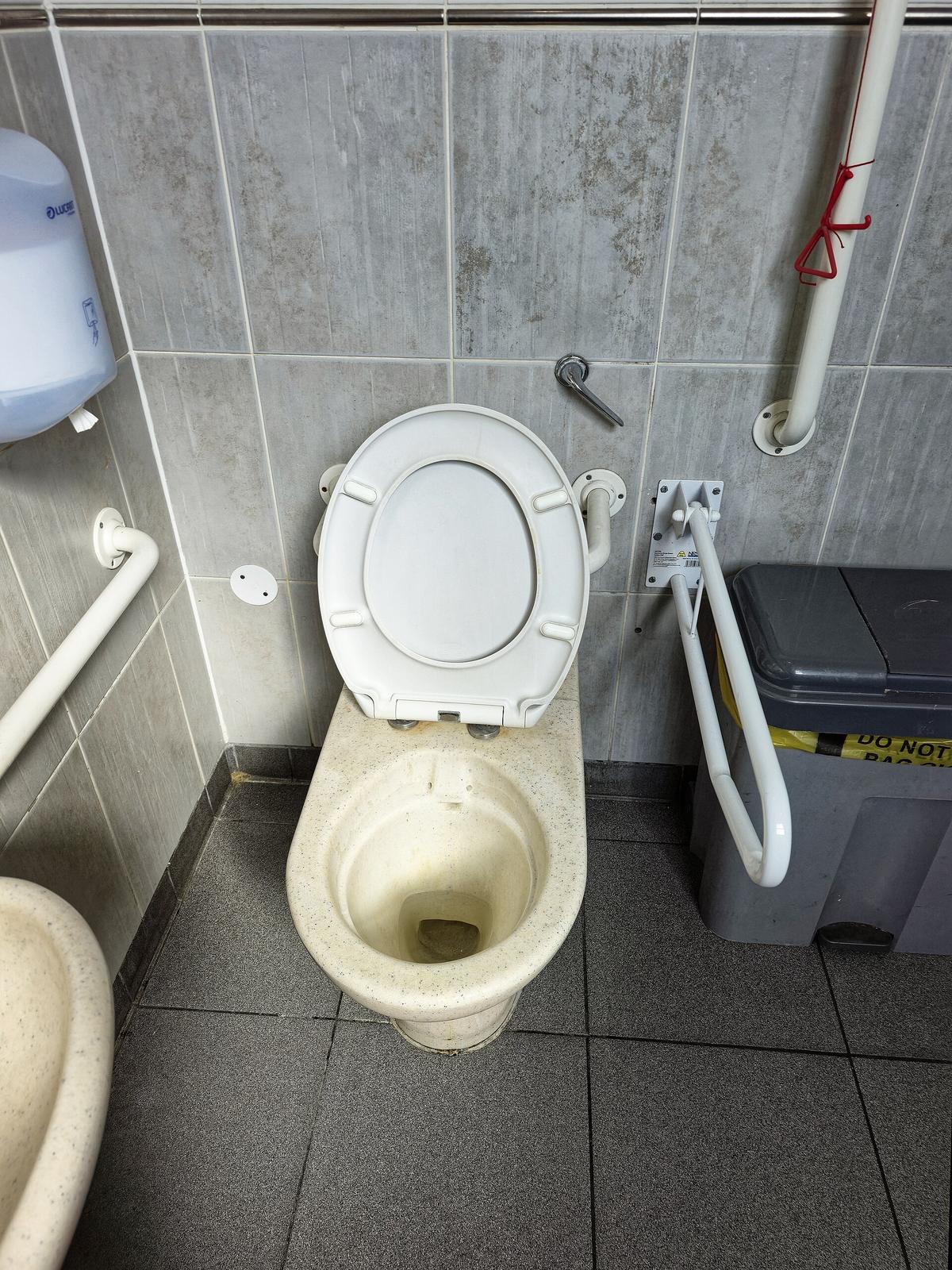

What a Changing Places toilet provides
Changing Places toilets are larger accessible facilities designed for people who cannot use a standard accessible toilet. They provide a height-adjustable adult-sized changing bench, a ceiling or tracking hoist, a peninsular toilet with space for carers on both sides, and a height-adjustable washbasin. Some also include a shower or stoma-friendly equipment. These features mean someone travelling through central London with a profound disability can plan a day out knowing they will find a safe, dignified space to use the toilet, rather than being forced to lie on a public floor or cut a trip short.
Transport for London directs passengers to the official Changing Places Consortium map to locate facilities. That map is the authoritative starting point for any search, and it lists every registered Changing Places toilet in the UK. London has more than 100 registered facilities, and the number continues to grow as venues install new provision.
Major railway stations with Changing Places toilets
Several central London mainline stations now have a Changing Places toilet on the premises. At London Paddington, the facility is on Platform 12, open 24 hours a day and accessed with a RADAR key. It also includes stoma-friendly equipment. London King's Cross has a Changing Places toilet beside platforms 9 to 10, open during station operating hours. London Bridge station houses its facility on the upper concourse, reachable by lift from the lower concourse, street level or the Underground; access is by speaking to a member of staff or using an assistance help point.
London Victoria has a Changing Places toilet on the central concourse inside the main toilet area, with access again requiring a word with a staff member. London Euston takes a slightly different approach: the Changing Places toilet sits opposite the main toilets, beyond the top of the ramp leading to platforms 1 to 3, and you call the number displayed on the signage to gain entry during station operating hours. If your journey passes through more than one of these stations, Paddington's 24-hour availability and RADAR key self-access may offer the most straightforward experience, though the tradeoff is that you must carry or obtain a RADAR key. At Euston, the phone-entry system removes the need for a key but adds a step that relies on a staff response.
Museums and galleries in the centre
Several of London's major cultural venues have installed Changing Places toilets. The National Gallery has two, both on Floor 0: one in the Roden Centre for Creative Learning and one in the Sainsbury Wing. A RADAR key is needed and can be obtained from a member of staff. Tate Modern has a Changing Places toilet in the Natalie Bell Building on the ground floor, past the cloakroom on the left; a RADAR key can be borrowed from the cloakroom or ticketing desk.
St Paul's Cathedral opened a new Changing Places toilet in the Crypt near the café in 2026, equipped with a ceiling hoist, height-adjustable adult changing bench, peninsular toilet and basin. The Tower of London has a facility on the ground floor lobby of the New Armouries building, next to the café, with a RADAR key available from café staff. The British Museum does not have a Changing Places toilet on-site; the nearest is at Great Ormond Street Hospital, roughly a 15-minute walk from the Montague Place entrance. If the British Museum is a fixed point on your itinerary, factor in that walking time or consider whether another venue with an on-site facility would reduce stress.
South Bank, the City and east London
The South Bank offers a Changing Places toilet at the Royal Festival Hall, on Level 1 next to the JCB Glass Lift. It includes a height-adjustable bench, tracking hoist, peninsular toilet, height-adjustable basin and a shower. The key is available from the Level 2 Welcome Desk or by using the phone outside the facility. In the City, the Barbican Centre has a Changing Places facility in the Camera Café at the Beech Street Cinema complex, serving Cinema 2 and 3, with a height-adjustable bench, tracking hoist, peninsular toilet, height-adjustable basin and shower.
Further east, Westfield Stratford City provides two Changing Places toilets: one on the ground floor between Made by Society and Nespresso, and one on the first floor between Moss Bros and Sunglasses Hut. Both require a RADAR key, which Guest Services can supply. ZSL London Zoo, at the northern edge of central London, has a Changing Places toilet at the Animal Adventure area with a ceiling track hoist, height-adjustable adult-sized changing bench, height-adjustable washbasin and peninsular toilet. It is secured with a RADAR key, also available from First Aiders.
Leisure centres run by Westminster City Council
Westminster City Council manages five Changing Places toilets within its leisure centres. These are at Church Street Community Leisure Centre, Moberly Sports Centre, Paddington Recreation Ground, Porchester Centre and Queen Mother Sports Centre. Because they sit inside operational leisure facilities, their availability is tied to each centre's opening pattern rather than a transport or cultural timetable. If you are staying in the Westminster area and need a reliable facility, one of these may be closer to your accommodation than a station or museum, but you must check the specific centre's hours directly with the council or the venue before setting out.
Planning a route using verified information
Opening hours for individual Changing Places toilets vary by venue and can change seasonally or on public holidays. The Changing Places Consortium map at changing-places.org lets you search by postcode or town name and see the facilities closest to any point on your route. Before travelling, confirm the current status directly with the venue. Do not assume a facility listed here will be open at the time you need it; a quick phone call or website check on the day removes that risk.
Some Changing Places toilets require a RADAR key for entry. Where a key is needed, venues typically lend one from staff, a welcome desk or guest services. The research confirms this arrangement at the National Gallery, Tate Modern, Tower of London, Westfield Stratford City and ZSL London Zoo, but the exact process can change. If you rely on borrowing a key, confirm that the lending point will be staffed when you arrive. Carrying your own RADAR key gives you more control, particularly at Paddington where self-access is the stated method.
When choosing between two venues, consider the access method as well as the location. A facility with staff-mediated access may feel more supported, but a self-access RADAR key toilet that is open 24 hours offers flexibility that a staffed counter cannot match. Neither approach is universally better; the right choice depends on your needs, your equipment and the time of day you plan to be in central London.
Sources and verification
- changing-places.org — Research source checked for this guide
- changing-places.org — Research source checked for this guide
- tfl.gov.uk — Research source checked for this guide
- networkrail.co.uk — Research source checked for this guide
- networkrail.co.uk — Research source checked for this guide
- networkrail.co.uk — Research source checked for this guide
Read next
-
 Accessible Hotels in London Chains Boroughs and the Questions to Ask
Which London hotels offer genuine wet rooms and turning space rather than just a grab bar, and the questions to ask before you book.
-
 Getting Around London for Disabled Travellers Buses Lifts and the Gaps
A practical look at accessible transport in London covering bus ramps, Tube lift gaps, and the reality of step-free stations for wheelchair users.
-
 Wheelchair Friendly Paths in London Royal Parks and Gardens
A practical guide to Wheelchair Friendly Paths in London Royal Parks and Gardens.
-
 London River Bus Piers Step Free Access and Wheelchair Boarding
A practical guide to London River Bus Piers Step Free Access and Wheelchair Boarding.
-
 London Museums and Attractions with Free Carer Entry and Step-Free Access
Which London museums and attractions offer free carer entry, what proof you need, and the pre-booking steps that catch out spontaneous visitors.
-
 Which Cities Are Genuinely Accessible Ranked by What Actually Matters
A candid ranking of accessible cities worldwide based on transport, terrain, hotels and the real experience of getting around in a wheelchair.
-
 What Accessible Actually Means and Why Step-Free Is Not the Same Thing
Step-free is a measurement, accessible is a promise, and wheelchair friendly is often just optimism. Here is how to tell them apart.
-
 Flying to London with a Wheelchair Your Rights and the Process
How flying with a wheelchair to London actually works, from Heathrow assistance to your legal rights if the airline damages your mobility equipment.
-
 Low Sensory Travel Planning for Airports Museums and City Days
A practical guide to Low Sensory Travel Planning for Airports Museums and City Days.